
Turning Plastic Waste Into Petrochemical Feedstock
KRIPA INNOVATIONS PVT LTD offers a patented and proven closed-loop plastic-to-petrochemical technology that only a few companies globally have achieved. Based in Assam and serving worldwide, we deliver sustainable, profitable, and scalable waste-to-energy solutions.
We convert post-consumer and post-industrial plastics into high-value petrochemical feedstocks through our proprietary three-stage process — vaporization, catalytic cracking, and fractional liquefaction. Our catalyst technology enables regeneration, making advanced recycling economically viable.
The petroleum value chain begins in crude oil refineries, where feedstocks such as naphtha and natural gas liquids are routed to large-scale steam crackers to produce ethylene, propylene and other light olefins — the fundamental building blocks of plastics. Traditionally, the entire plastic industry depends on the continuous extraction, refining and cracking of fresh petroleum to maintain this supply. KRIPA INNOVATIONS occupies an exciting and transformative position in this value chain by providing a clean, circular and alternative route to these same petrochemical feedstocks. Through our patented plastic-to-petrochemical technology, we convert waste plastics back into naphtha-range hydrocarbons and cracker-ready molecules, enabling the production of new plastics without relying on fresh crude oil. This closes the loop of the plastics economy, reduces the carbon burden, and supports a cleaner, greener planet while strengthening resource security for the petrochemical sector.
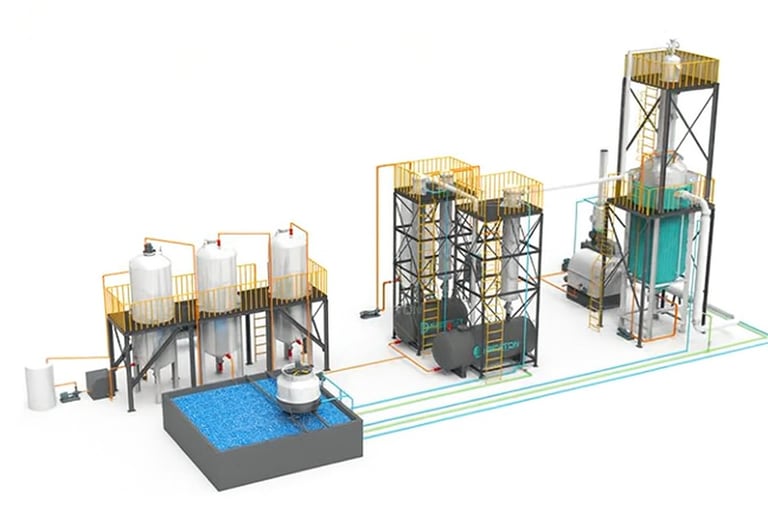
Plastic to Naphtha Processing: Pyrolysis to Distillation
Catalytic Pyrolysis of Plastic
Catalytic pyrolysis of plastic is an advanced thermal decomposition process in which waste plastics are heated to elevated temperatures in the absence of oxygen, while a specially engineered catalyst accelerates the breakdown of long-chain polymer molecules. The presence of the catalyst lowers the required temperature, enhances product selectivity, and increases the yield of desirable hydrocarbon fractions. The process takes place inside dedicated pyrolysis reactors and typically involves key stages such as controlled feedstock heating, catalytic cracking of vapors, and condensation into liquid hydrocarbons. The resulting products—such as naphtha-range, kerosene-range, and diesel-range oils—can be used as petrochemical feedstock, providing a sustainable and economically viable route for plastic waste valorization.
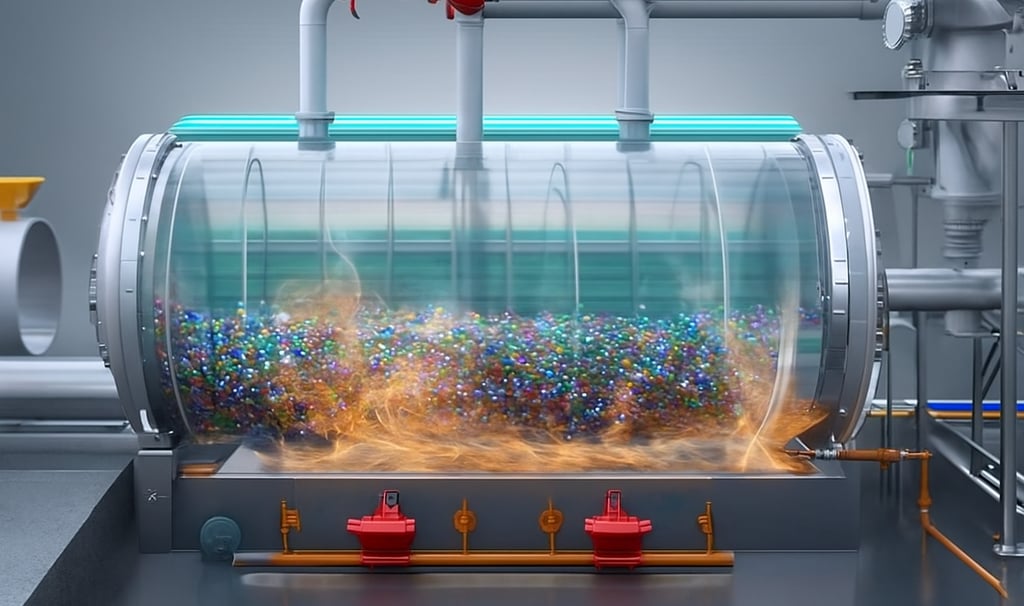
Polymer Chain Scission
Plastics are composed of long-chain polymers such as polyethylene, polypropylene, and polystyrene. During catalytic pyrolysis, these polymers undergo chain scission, a process in which heat and catalytic activity break the long molecular chains into smaller hydrocarbon fragments. In the controlled high-temperature, low-oxygen environment of the reactor, the large macromolecules cleave into short-chain hydrocarbons that primarily form liquid oils and combustible gases. This breakdown of polymer chains is the fundamental step that converts solid waste plastics into valuable petrochemical feedstock.
Catalyst Action
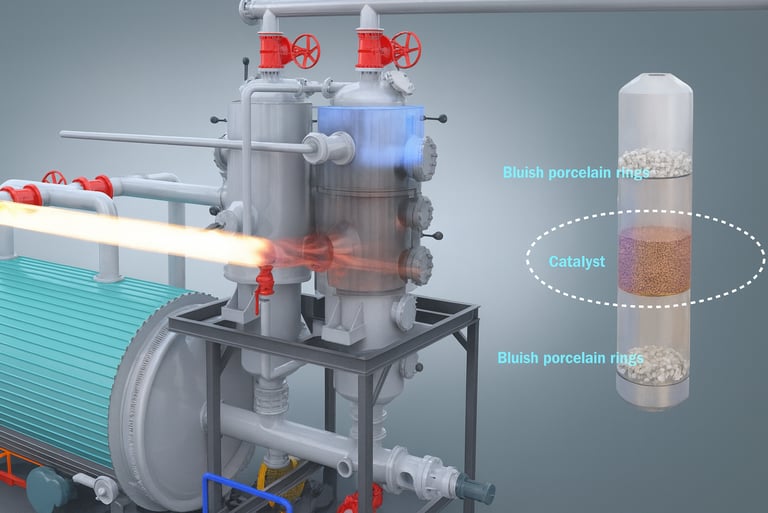
Catalysts play a crucial role in enhancing the efficiency of the plastic cracking process. They not only accelerate the breakdown of polymer chains but also suppress the formation of heavy, high-boiling waxes that typically reduce product quality. By steering the reaction toward lighter hydrocarbons, the catalyst improves the fluidity, stability, and usability of the resulting oil and gas fractions. Furthermore, catalytic activity allows the process to operate at lower temperatures and shorter residence times, significantly reducing incomplete cracking. The overall result is a cleaner, more efficient conversion of plastic waste into high-quality pyrolysis oil and valuable petrochemical feedstocks.
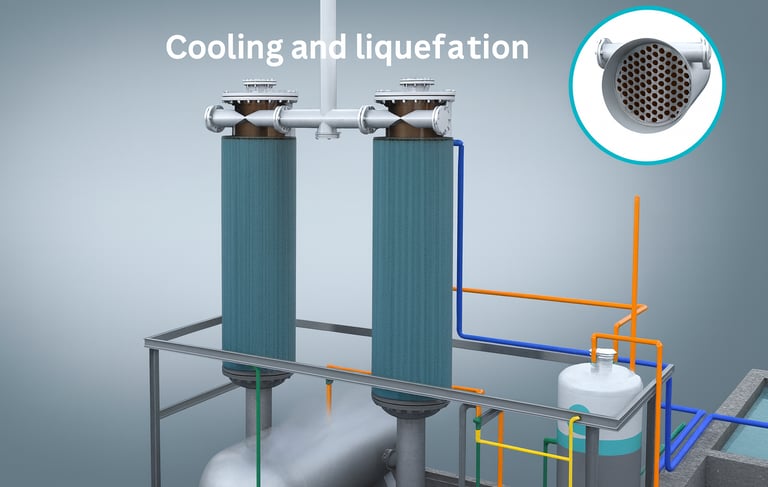

Condensate Formation
During the cooling stage of pyrolysis vapors, the condensable components—mainly C5–C12 hydrocarbons—begin to condense and form liquid oil. This is achieved through a controlled condensation system. As the hot vapors exchange heat with cooling water, the temperature drops and the hydrocarbon molecules aggregate due to intermolecular forces, resulting in the formation of hydrocarbon condensate.
Fraction Cutting
By precisely controlling the temperature, the tower separates the hydrocarbons into distinct fractions.
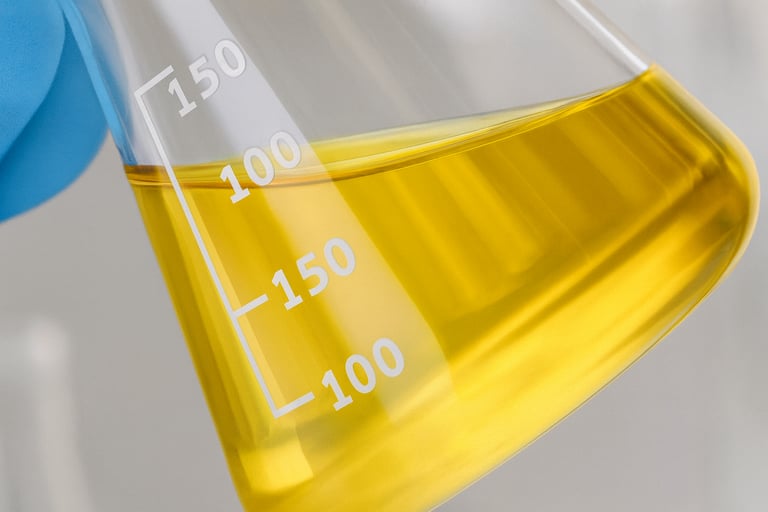
Naphtha is the fraction with a boiling range of 30°C to 220°C.
Separation and Cooling
The lighter, low-boiling components condense first to form light naphtha, which mainly contains alkanes, cycloalkanes, and aromatic hydrocarbons. Through further cooling and separation, the final naphtha product is obtained.
Wide Application of Naphtha
01. Chemical Raw Materials
Naphtha is an essential feedstock for producing basic petrochemicals such as ethylene and propylene. These two chemicals are fundamental building blocks used to manufacture:
Plastics (e.g., polyethylene, polypropylene)
Synthetic fibers
Synthetic rubber
Various industrial chemicals
Through steam cracking or catalytic cracking, the hydrocarbons in naphtha break down into smaller molecules like ethylene and propylene. These downstream chemicals are then processed further to create a wide variety of industrial and consumer products.
02. Solvents
Due to its strong dissolving capability, naphtha is widely used as a solvent in:
Paints and coatings
Cleaning agents
Industrial degreasers
Printing inks
Resin processing
Its excellent ability to dissolve substances with poor water solubility—such as resins, oils and pigments—makes it valuable in formulation and manufacturing. In cleaning applications, naphtha effectively removes grease, dirt, and contaminants from metal and machine surfaces.
03. Gasoline Blending Component
Naphtha, with its good volatility and low octane rating, is commonly blended with high-octane components to produce commercial gasoline. When used in gasoline blending, naphtha helps:
Improve combustion efficiency
Enhance cold-start performance
Increase fuel stability
Reduce engine knocking
Improve power output and fuel economy
This makes naphtha a practical additive in refining operations to optimize gasoline quality.
04. Kerosene & Fuel Oil Production
With high energy density and stable combustion properties, naphtha can be converted into various types of fuels, including:
Aviation kerosene (jet fuel)
Marine fuels
Industrial fuel oil
Boiler and power plant fuels
Refining naphtha into aviation-grade fuels ensures reliability and safety in aircraft operation. It also serves as a versatile raw material for producing other specialized fuels used across industrial and energy sectors.



Advantages of Using Plastics to Produce Naphtha
Sustainability
1. Waste Plastic Recycling
Converting waste plastics into naphtha helps significantly reduce plastic pollution and prevents environmental contamination.
2. Source of Green Raw Materials
Recycled naphtha can be used again to produce essential chemicals, lowering dependence on traditional petroleum-based raw materials.
3. Reduced Carbon Emissions
The pyrolysis process used to convert waste plastics has comparatively low carbon emissions, supporting the plastics industry’s low-carbon transition.
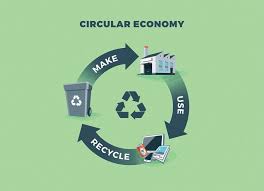
4. Circular Economy
Establishes a complete circular loop:
Waste Plastics → Naphtha → New Plastics
This model strengthens resource recycling and promotes sustainable plastic production.
High Economic Value
Increase Market Demand: Green naphtha is environmentally friendly and sustainable, and market demand is gradually increasing.
Replace Fossil Fuels: Green naphtha reduces dependence on traditional fossil fuels and has cost advantages.
Environmental Policy Support: With the advancement of environmental policies, the economic value of green naphtha in the market has gradually increased.
Multiple Uses: It can be used to make plastics, solvents, fuels, etc., which broadens the application field and creates more economic returns.



Stay Connected
Get updates on our latest energy solutions
From Plastic Waste to Naphtha: A Greener Path to Sustainability
Converting waste plastics into naphtha through pyrolysis and distillation is an important step in solving the global plastic pollution crisis. As the world continues to seek sustainable solutions, converting plastic waste into valuable resources will play a key role in shaping the future of global industry and the health of the planet. If you are interested in this project, KRIPA provides the corresponding equipment and solutions. Welcome to contact us.
Contact
Innovating waste to energy solutions daily
Phone
info@kripainnovations.in
+91-9876543210
© 2025. All rights reserved.